
Upcoming Events
Non-Invasive Big Ideas Summit
February 8-9, 2027
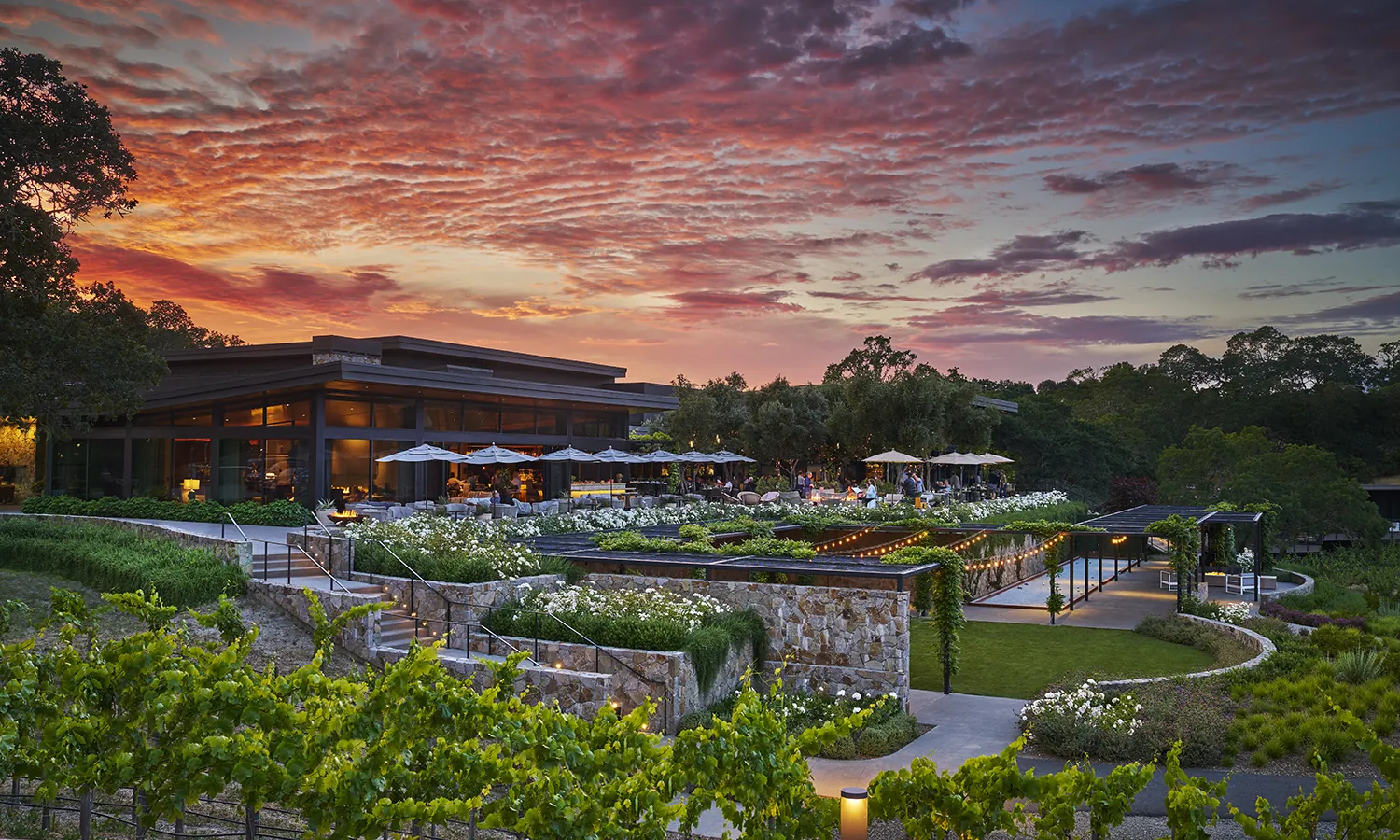
Montage Healdsburg - Healdsburg, CA
Apply Here

Preview Committed Attendee List
- The Raynor Cerebellum Project is bringing together selected researchers, clinicians, engineers, technologists, entrepreneurs, and unconventional thinkers for a Non-Invasive Big Ideas Summit focused specifically on new ways to influence cerebellar function and improve symptoms without surgery or implanted devices. Our goal is to ask a deliberately ambitious question: What could non-invasive approaches do differently, or better, to meaningfully improve outcomes for people with cerebellar disorders?
- We are looking beyond incremental advances in existing non-invasive neuromodulation approaches. Ideas might involve entirely new technologies, creative applications or combinations of existing technologies, new targets or mechanisms, or approaches borrowed from other fields that could be applied non-invasively to cerebellar disorders. They may lack preliminary data, cross traditional disciplinary boundaries, or feel too ambitious for conventional funding mechanisms. That is exactly the kind of thinking we want in the room. The goal of the summit is not simply to discuss the future of non-invasive neuromodulation, but to identify bold, actionable ideas that could meaningfully change what is possible for patients, and that RCP could help move toward reality. If you believe your work, technology, or perspective could contribute to that challenge, we invite you to apply. We expect a large number of applications for limited spots, so acceptance will be highly competitive.
- RCP is part of a multi-billion dollar family office which has created a privately funded research initiative dedicated to accelerating breakthroughs for people affected by cerebellar disorders. Over the past several years, RCP has committed over $50 million of funding toward basic science, translational research, technology development, clinical studies, and collaborative programs designed to advance understanding and treatment of these disorders. RCP’s key partners are Brigham and Women’s Hospital, University of Florida, UCSF, UC Irvine, Children’s National Hospital, Kennedy Krieger Institute, UT Southwestern, USC, Cal Tech, Johns Hopkins, Carnegie Mellon, University of Pittsburgh, UNC, and University of Colorado. You can learn more about our key partners here. Our average grantee has received between $4 and $5 million.
- We have already made a significant investment in invasive neuromodulation for disorders of the cerebellum, but we also think that non-invasive neuromodulation will be a big part of the future in combination with invasive approaches. The Summit will ask the participants to think outside of the box and help us to develop a suite of big ideas that are major advances relative to current approaches while having the potential to impact patients soon. We will bring together a carefully selected group of researchers, clinicians, engineers, entrepreneurs, technologists, and unconventional thinkers to identify ambitious but actionable ideas that could meaningfully advance the field. We want to discuss much more than expansions of ongoing efforts – we are looking to achieve a deliverable of an innovative, needle-moving impact, as soon as possible. We are open to solutions involving new technology, inventive use of current technology, and approaches to treat any of the major symptoms experienced by cerebellar patients. And we are willing to put resources behind the right plan.
- Part of RCP’s mission is to fund well-reasoned endeavor that are too risky for traditional funding agencies because they may lack preliminary data, contradict dogma, or propose unprecedented technical ideas. These are the ideas that you are actually nervous about sharing because they are so outrageously ambitious. We encourage you to read our full mission statement here.
- To help participants appreciate the caliber and breadth of experts we are assembling, we have shared the list below of those already committed to attend. RCP is making a substantial commitment to this effort because we believe there is an opportunity to generate ideas and collaborations that could accelerate progress in ways that would be achieve through conventional meetings or funding mechanisms alone.


